トラフィックだけでは足りない:AI検索の関心をパイプラインに変える
AI検索とコンテンツから得られる初期の注目は有望に見えても、コンバージョンは弱いままということがあります。直すべきなのは、たいていトラフィックの量ではなくファネルです。
- AI検索
- グロース
- コンバージョン
- パイプライン
注目と手応えは別物です
AI検索、比較ページ、カテゴリコンテンツから初期の注目を得始めているチームは多くあります。問題は、注目だけではファネルを実際より良く見せてしまうことです。表示回数と訪問が増えれば前進しているように感じられますが、その関心がパイプラインに変わる割合はごくわずか、ということが起こります。
このギャップが問題になるのは、AI経由の発見が、直接的な購買セッションよりも早い段階で、より静かに起こることが多いからです。訪問者は弱い意図シグナルのまま到着し、素早く読み、次の一歩が明確でなければ離脱します。
対象をひとつ、最初に価値が届く瞬間をひとつ選ぶ
汎用的なポジショニングは、ファネル全体を難しくします。プロダクトが初期段階であるほど、最初に役立つ対象が誰で、初回のセッションでどんな結果を得るべきかを正確に把握しておく必要があります。
- いま、この問題を最も強く感じているのはどのチームか。
- サイトを離れる前に、そのチームはどんな結果を得るべきか。
- その最初の結果のあとに続く、役に立つ最小の次の一歩は何か。
獲得を広げる前にアクティベーションを直す
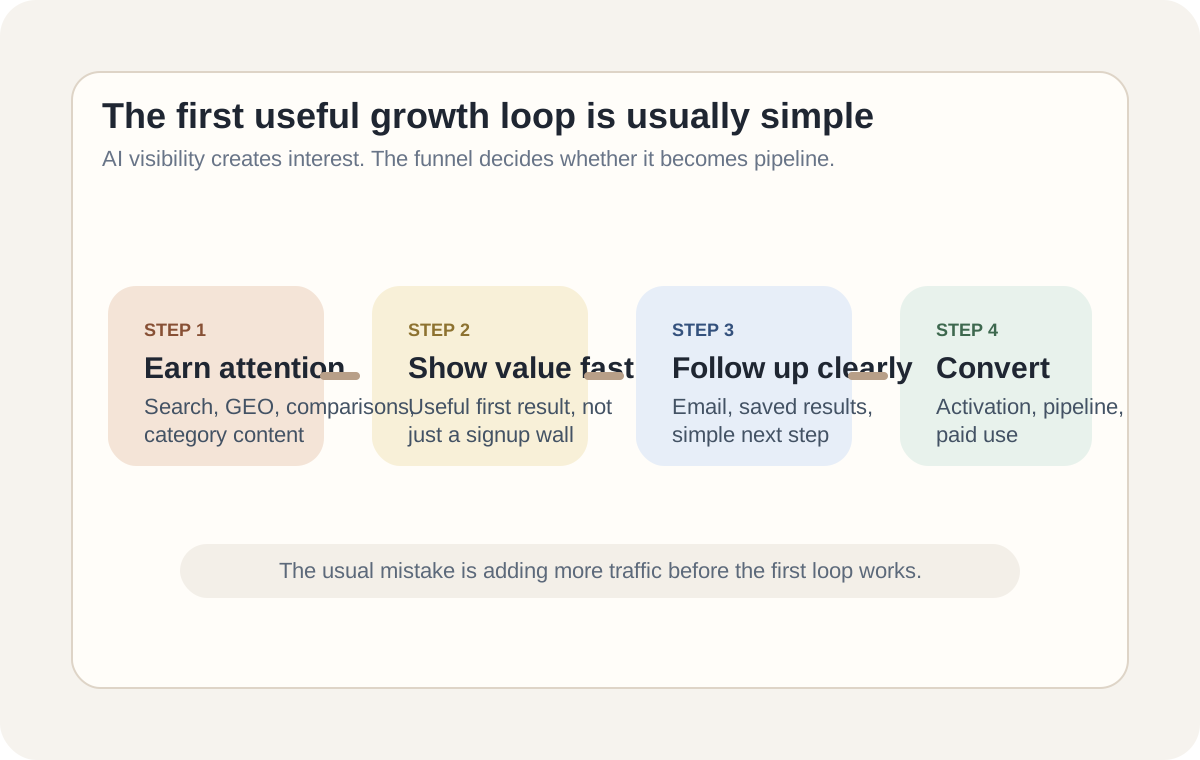
ユーザーが最初の価値に素早く到達しなければ、トラフィックを増やしても離脱が増えるだけです。初期のグロース施策が、新しい獲得実験ではなくオンボーディング、レポート、ページのコピー、プロダクトの見せ方から始まることが多いのは、そのためです。
特にAI検索では、この点を見落としやすくなります。カテゴリが新しいため可視性に注意が向き、そのあとで、訪問者が次に何をすべきかを理解するのにまだ手助けを必要としていると気づきます。
コンテンツとフォローアップをひとつの仕組みとして使う
検索とGEOのコンテンツは有用な需要を生み出せますが、ページと次の一歩がつながって感じられるときに最も効果を発揮します。記事が実際の疑問に答えているなら、オファーは一般的なサインアップへ横に逸れるのではなく、その答えを深めるものにしてください。
メールが今も重要である理由のひとつが、これです。訪問者が有用なレポート、保存された結果、分析の成果物を受け取っていれば、フォローアップは同じ話の続きになります。AI検索がクリックを減らすとき、メールの重要性が増す理由では、その部分をより詳しく扱っています。
チャネルを絞り、実際の経路を測る
初期のチームは、中途半端に抱えた5つの実験よりも、インテント型のチャネルひとつと意図的なリーチ用チャネルひとつのほうがうまくいくのが普通です。狙いは、どのトラフィックが適切なユーザーを生むのかを知ることであり、忙しく見せることではありません。
- インテントの高いコンテンツで、訪問からアクションへの率を測る
- 最初のオファーで、アクションからサインアップへの率を測る
- プロダクト内で、サインアップからアクティベーションへの率を測る
- 本格的な予算を投じる前に、アクティベーションから有料化への率を測る
GEOに取り組むチームにとっての意味
AI可視性に投資しているなら、基準は「トラフィックが増えた」よりも高くなります。発見を実際の関係に変える経路が必要です。そうでなければ、購買者の準備が整う前に漏れていく認知を作っているだけになります。
最も良い順序は、たいてい単純です。より明確なページを公開し、より強い発見を獲得し、役に立つ最初の結果を作り、フォローアップへの受け渡しを締めること。その順序のコンテンツ側については、検索とAIによる発見のためのコンテンツの作り方を出発点にしてください。